
Indian sweets are more than just delicious desserts. They are an important part of Indian culture, traditions, festivals, celebrations, and everyday life. From the soft and creamy texture of rasgulla to the rich taste of kaju katli, every sweet has its own unique flavor, story, and place in Indian traditions.
Across India, sweets are prepared using a wonderful variety of ingredients such as milk, sugar, ghee, nuts, coconut, flour, jaggery, and aromatic spices. Different regions have developed their own special sweets, making Indian desserts incredibly diverse. Whether you are celebrating a festival, attending a wedding, welcoming guests, or simply enjoying a special moment with family, Indian sweets always make the occasion more memorable.
The Importance of Sweets in Indian Culture
Sweets have a special place in Indian culture. Offering sweets is traditionally considered a way of sharing happiness, respect, and good wishes. When guests visit an Indian home, it is common to offer them something sweet. During important occasions, sweets are often exchanged between families and friends.
Festivals such as Diwali, Holi, Ganesh Chaturthi, Raksha Bandhan, Pongal, Navratri, Eid, and many regional celebrations are closely associated with delicious traditional sweets. Weddings, birthdays, anniversaries, housewarming ceremonies, and other special occasions are also incomplete without a box of sweets.
The tradition of sharing sweets brings people together. A simple box of ladoos or peda can create wonderful memories and express emotions without saying many words.
Popular Indian Sweets Everyone Loves
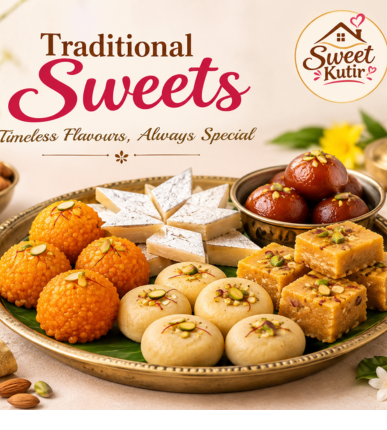
India has thousands of varieties of sweets, and each one offers a different taste and texture. Some sweets have become popular throughout the country, while others remain closely connected to particular regions.
1. Gulab Jamun
Gulab jamun is one of India’s most loved sweets. These soft, round dumplings are traditionally prepared using milk solids and flour, deep-fried until golden brown, and soaked in warm sugar syrup.
The syrup is often flavored with cardamom and rose water, giving gulab jamun its distinctive aroma. Served warm or at room temperature, it is a favorite at weddings, festivals, restaurants, and family celebrations.
The combination of a soft center and sweet syrup makes gulab jamun an irresistible dessert for people of all ages.
2. Rasgulla
Rasgulla is a popular Bengali sweet made from chhena, a type of fresh cottage cheese. The soft cheese balls are cooked in a light sugar syrup until they become spongy and absorb the sweetness.
Rasgulla is known for its light texture and refreshing sweetness. It is especially popular in eastern India and has become a favorite across the country.
3. Kaju Katli
Kaju katli is a premium Indian sweet made primarily from cashew nuts and sugar. It is usually prepared into thin diamond-shaped pieces and sometimes decorated with edible silver leaf.
Its smooth texture, rich cashew flavor, and elegant appearance make kaju katli a popular choice for gifting. During festivals and celebrations, beautifully packed kaju katli boxes are often exchanged between families, friends, and colleagues.
4. Motichoor Ladoo
Motichoor ladoo is made from tiny fried gram flour pearls that are soaked in sugar syrup and shaped into round ladoos. Their bright color, soft texture, and rich sweetness make them especially popular during festivals and religious ceremonies.
Ladoos are also commonly used as offerings during auspicious occasions. They represent happiness, celebration, and togetherness.
5. Mysore Pak
Mysore Pak is a famous South Indian sweet that originated in Karnataka. It is traditionally prepared using gram flour, ghee, and sugar.
Depending on the preparation, Mysore Pak can have a soft, melt-in-the-mouth texture or a slightly firm consistency. Its rich ghee flavor makes it a favorite among lovers of traditional Indian sweets.
6. Jalebi
Jalebi is one of the most recognizable Indian sweets. It is prepared by creating spiral shapes from a fermented flour batter and deep-frying them before soaking them in sugar syrup.
Jalebi is known for its crispy outer layer and juicy, sweet center. It is often enjoyed with milk, rabri, or simply on its own. Freshly prepared hot jalebi is particularly popular during celebrations and festive gatherings.
7. Peda
Peda is a traditional milk-based sweet with a soft and slightly grainy texture. It is generally prepared using milk solids, sugar, and cardamom.
Peda is closely associated with religious celebrations and temple traditions in several parts of India. Its simple ingredients and rich milk flavor have made it a beloved Indian sweet for generations.
Table of Contents
Regional Diversity of Indian Sweets
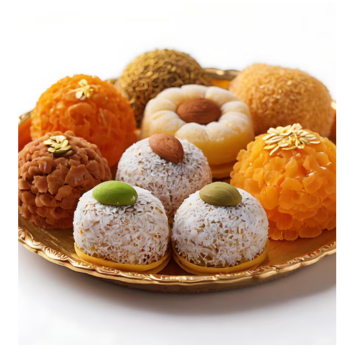
One of the most fascinating things about Indian sweets is their regional diversity. Every part of India has developed special desserts based on local ingredients, traditions, and cooking styles.
In North India, sweets such as gulab jamun, peda, ladoo, and jalebi are extremely popular. Western India is known for delicacies such as shrikhand, basundi, modak, and various varieties of ladoos.
Eastern India is famous for sweets such as rasgulla, sandesh, mishti doi, and chomchom. South India offers a wide selection of traditional sweets including Mysore Pak, payasam, adhirasam, bobbatlu, and different types of halwa.
The use of regional ingredients adds to this diversity. Coconut, jaggery, sesame seeds, rice flour, lentils, milk, nuts, and local spices are used in different combinations to create unique flavors.
Indian Sweets and Festivals
Festivals and Indian sweets have a very special connection. During Diwali, homes are filled with boxes of ladoos, kaju katli, barfi, gulab jamun, and other treats. Families exchange sweets as a symbol of friendship and prosperity.
During Holi, sweets such as gujiya are prepared in many homes. During Ganesh Chaturthi, modak is an important traditional offering. Pongal celebrations feature traditional South Indian sweet preparations, while Raksha Bandhan is often celebrated by exchanging sweets between family members.
During Eid, delicious desserts such as sheer khurma and various traditional sweets are prepared and shared with family and guests.
These traditions show that sweets are not simply food. They are part of the emotions, memories, and cultural identity connected with Indian celebrations.
Traditional Ingredients Used in Indian Sweets
Indian sweets are made with a wide range of ingredients. Milk and milk products are among the most important. Khoya, paneer, chhena, condensed milk, and ghee are used to create rich textures and flavors.
Nuts such as almonds, cashews, pistachios, and walnuts are commonly added to premium sweets. Coconut is another important ingredient, particularly in South Indian and coastal preparations.
Jaggery is also widely used as a natural sweetener in many traditional recipes. Cardamom, saffron, rose water, and other aromatic ingredients add fragrance and depth to the sweets.
The combination of these ingredients gives Indian desserts their distinctive character.
Sweets as Gifts
A beautifully packed box of Indian sweets makes a thoughtful gift for almost any occasion. Whether it is a festival, wedding, birthday, anniversary, corporate celebration, or family gathering, sweets are an easy and meaningful way to express good wishes.
Modern sweet shops now offer attractive gift boxes featuring a selection of traditional and premium sweets. Many customers prefer assorted boxes so that family members and guests can enjoy different flavors.
Gift packaging has also evolved. Elegant boxes, decorative designs, personalized messages, and premium presentation have made traditional sweets suitable for both personal and corporate gifting.
The Joy of Freshly Made Sweets
Freshness plays an important role in the taste and quality of Indian sweets. Freshly prepared sweets generally have better texture, aroma, and flavor.
For milk-based sweets, proper storage and handling are particularly important. Dry sweets such as kaju katli, ladoos, and certain varieties of barfi may have a longer shelf life when stored correctly.
When buying Indian sweets, customers often look for freshness, quality ingredients, hygienic preparation, attractive presentation, and authentic taste. A trusted sweet shop can make the experience even more enjoyable.
Traditional Taste Meets Modern Preferences
While traditional Indian sweets remain extremely popular, modern sweet makers are also introducing new flavors and presentation styles. Contemporary versions may include chocolate, dry fruits, fusion flavors, sugar-conscious recipes, and innovative packaging.
However, the heart of Indian sweets remains rooted in traditional recipes and techniques. Modern creativity can add variety, but authentic flavors continue to hold a special place in people’s hearts.
Today, customers can enjoy both classic sweets and creative new variations, making Indian desserts appealing to different generations.
Why Indian Sweets Are Loved by Everyone
Indian sweets offer something for almost every taste preference. Some people enjoy creamy milk-based desserts, while others prefer crunchy nuts, soft ladoos, crispy jalebi, or syrup-filled sweets.
Their colorful appearance also makes them attractive for celebrations. The aroma of ghee, cardamom, saffron, and roasted nuts can instantly create a festive atmosphere.
Most importantly, Indian sweets are connected with memories. They remind us of festivals at home, family gatherings, childhood celebrations, weddings, traditional ceremonies, and special moments shared with loved ones.
Bringing Sweet Moments to Your Home
Indian sweets have continued to remain an important part of India’s food culture because they bring people together. Every sweet has its own personality, ingredients, preparation style, and cultural background.
Whether you are enjoying a traditional ladoo, sharing a box of kaju katli, celebrating with gulab jamun, or tasting a regional specialty for the first time, Indian sweets make ordinary moments feel special.
At Sweet Kutir, the love for traditional Indian flavors inspires every sweet. From classic favorites to delicious treats for special occasions, sweets can turn celebrations into beautiful memories.
The next time you are looking for something special to share with family and friends, choose a traditional Indian sweet. After all, in India, every celebration becomes a little sweeter when there is a delicious treat to share.